Agent IP
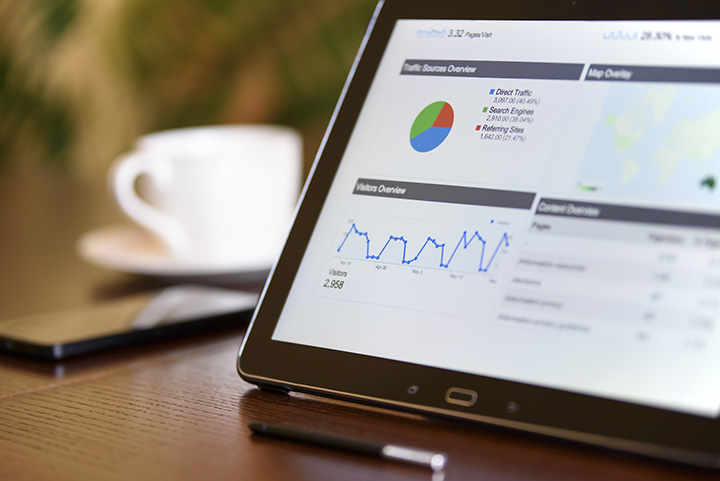
What is a proxy IP and how to use a proxy IP?
Proxy IP is a technology that forwards data traffic through a server. It allows the user's real IP address to be hidden and replaced with the IP address of the proxy server.
Read the full text
Agent IP

v2ray access Socks5 static residential proxy
v2ray is a very popular network protocol software. It usually supports VMess, vless, and Trojan. Today we are going to introduce Socks5, an encryption protocol for proxy IP.
Read the full text
Agent IP
Using Socks5 static residential proxy in local browser
After your local environment connects to the Socks5 static residential proxy server, your network traffic is routed through another IP address, thus hiding your true IP address.
Read the full text
Agent IP
Python3 crawler proxy IP usage method
This article introduces in detail how using proxy IP can make your Python3 crawler more secretive when crawling website data, avoid frequent requests and blocked IP, and introduces the request library
Read the full text
Agent IP

CentOS7 builds Socks5 proxy server
The main differences between data center IP and residential IP are how they are used and allocated, the uses and network conditions they serve, and their performance in terms of bandwidth and latency.
Read the full text
Fingerprint browser
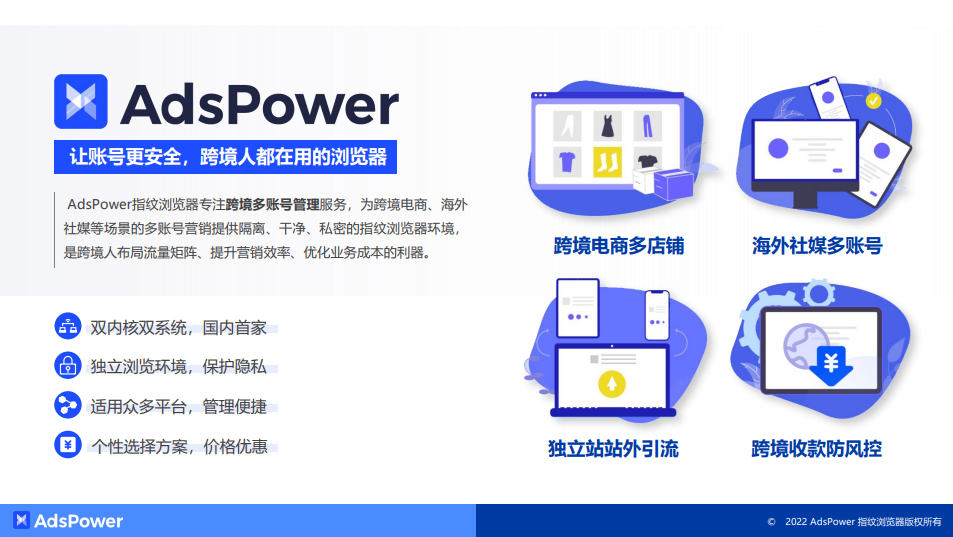
26 commonly used fingerprint browsers
Fingerprint browser refers to the use of modern browser characteristics, such as User-Agent, Accept-Encoding, Language, Screen, Time zone and other information
Read the full text
Fingerprint browser
fingerprint browser?
Fingerprint browser, also known as anti-correlation fingerprint browser, is a browser that collects users’ browser fingerprint information to identify and track users’ browsing behavior. browser fingerprint
Read the full text
Purchase agentIP
How to buy proxy IP with USDT?
When buying a proxy IP, buy some USDT on a cryptocurrency exchange or OTC platform; find a reliable proxy IP provider and check their usage
Read the full textComplete proxy IP review list
. The list is evaluated according to region, type, and agent. You can access it according to the plan you need to know!
More article entrance
The following supplementary table of contents contains articles that do not currently appear in the card list on the first three pages, giving you direct access to the complete content.
- Complete AI Proxy Guide: ChatGPT, Claude, Gemini, Codex CLI, and AI Agent Scenarios
- Best AI Proxy Providers of 2026
- Best ChatGPT Proxies for 2026: Stable Sessions, Regional Testing, and Account Security
- Best Claude Proxies of 2026
- Best Gemini Proxies of 2026
- AI Programming CLI Proxy Guide
- 2026 Codex CLI Proxy Guide
- 2026 OpenRouter Proxy Guide
- 2026 AI Agent Proxy Guide
- 2026 Browser API Proxy Guide
- 2026 RAG Proxy Guide
- 922S5 proxy review: speed, pricing, pros and cons comparison
- 10 Best AI Data Collection Agents for Model Training
- The 12 Best Enterprise-Grade AI Data Pipelines of 2026
- The 8 best AI web scraping platforms in 2026
- 12 Australian Static Residential Proxies (ISP Proxies)
- 12 Top Real Estate Data Providers of 2026
- The 35 Best Datasets for Machine Learning and AI Models in 2026
- 11 Best Public Datasets for Machine Learning
- The 9 best machine learning web scraping APIs Recommend
- BestProxy review: features, coverage, speed and performance
- Bright Data Managed Data Collection Service: End-to-end data collection solution
- CherryProxy Agency Review: Cost-Effective Residential Agency Choice
- Crawl API vs Web Scraper API vs Proxies: Which one to choose?
- How to AI Company Creates Custom Dataset
- 27 Best Static Residential Proxies (ISP Proxies) in the World
- 12 Best Game Agents: Guarantee Your Game Speed (FPS)
- Google shuts down IPIDEA residential proxy: Compliant IP sources matter
- AI Data Collection: Legal Compliance and Ethical Considerations
- Live Proxies review: The ultimate proxy solution for businesses and individuals
- LunaProxy In-depth evaluation 2026
- MarsProxies performance and price review and purchase plan
- How to build an Amazon price monitoring system using Bright Data MCP
- 10 Best Mobile Proxies for Social Media Automation (5G/4G/3G/LTE)
- MyPrivateProxy Reviews and Ratings 2026
- 12 best Netflix Agency: Unlocking Global Geo-Locks
- NetNut Proxy Server Review: Speed and Price
- 11 Best Nike Shoe-Grabbing Agents 2026
- PIA Proxy Review (Best S5 Proxy): Price and Benefits Detailed Review
- IPRoyal Speed and Performance Review and Purchase Plan
- 14 Russian static residential proxy IP
- 10+ Which is the best Japanese proxy IP
- Proxy IPv4 Review 2026: Price, Speed and Features
- How about Geonix: In-depth review of price and speed
- ResiProx Performance and speed evaluation
- 10 Best Retail Datasets for AI Recommendation Systems
- 12 Best SEO Agencies: Helping You Improve Your Keyword Rankings
- 11 Best Sneaker Agents: Grab Your Favorite Nikes
- 9 Spanish ISP proxies (static residential proxy IP)
- 10 Best Spotify Proxies to Unblock Restricted Countries
- TikTok Data Capture Practice: How to Discover the Next Hot Topic Earlier (2026)
- Best Proxies for Tinder Bots in 2026
- 11 Best Twitch Proxies: For Livestreaming and Audience Bots
- Webshare 2026 review: Is it worth buying?
- Complete yt-dlp error resolution guide: HTTP 429, 403, bot detection and more
FAQ
Here is a list of everything about static residences, data centers, dynamic proxies, residential proxies, mobile 4G proxies and related knowledge and usage plans! The questions listed are some of the questions that everyone often asks!
What is a static residential proxy?
The scok proxy IP blog collects residential IPs from internet service providers that use them for business purposes rather than private residences. Targeted websites often identify these IPs as static residential proxy IPs, even though they are actually hosted on the server.
What is a dynamic proxy?
If you configure automatic IP rotation in Agent Manager, the rotating agent will give you a new IP address. IP addresses can be rotated based on a predefined time period (seconds/minutes), after a certain number of requests, or once the used IP is no longer available.
What are the advantages of static proxies?
Static proxies provide many advantages. They perform faster since there is only one "hop" between the requester and the target website. One of the biggest advantages is the option to keep your IP “for life” – it’s yours for as long as you need it.
What are the disadvantages of static proxies?
Static proxies also have some disadvantages. Depending on your requirements, the provision of static IP addresses may not meet all geographic needs for data scraping. Some shopping sites, such as Amazon, block static IP addresses that send too many requests.
What are the advantages of dynamic proxies?
dynamic proxy has many advantages.
First, switching proxies use IP addresses from millions of homes and mobile devices. This enables geo-targeting down to the city/state level.
Secondly, the combination of IP switching plus legitimate IPs from residential/mobile devices makes switching IPs difficult to detect.
What are the disadvantages of dynamic proxy?
dynamic proxy has three main disadvantages.
Dynamic proxies are slower than static proxies. There is an extra "hop" in the process that requires the gateway proxy server to assign a new IP address.
IP address pools (residential/mobile) typically have lower bandwidth than data centers or ISP proxies.
Finally, rotating proxies are typically more expensive because proxy providers must procure and maintain millions of IP addresses.
What is a mobile agent?
Mobile proxy networks are built from real mobile IP assigned by mobile operators to individual mobile devices. These IPs are shared by real users in mobile networks so you can connect to real mobile connections in every country and city around the world using 3G/4G mobile connections, this allows you to view the network like any real mobile user without being detected
Why use mobile agents?
IP for mobile devices is universal and can support use cases that can benefit from crowdsourcing, as well as GPS-sensitive data. Requests made via mobile devices are difficult to track or detect, which is a major advantage for companies looking to conduct market research and other business activities.