Unlike traditional datacenter proxies, Live Proxies routes traffic through real mobile and residential IPs, which makes connections harder for websites to detect and block. These IPs come from real devices connected through ISP networks, which improves trust signals and anonymity.
The service also includes sticky sessions of up to 60 minutes, unlimited bandwidth options, global IP coverage, and dedicated customer support. With a claimed 99.9% uptime rate and fast connections, Live Proxies is positioned as a dependable option in the proxy market.
1Main Proxy Types Offered by Live Proxies
Live Proxies offers three core proxy types, each designed for different workloads.
Rotating Mobile Proxies
Rotating mobile proxies use IPs assigned by mobile carriers over 3G, 4G, and 5G networks. These IPs rotate on a regular basis to preserve anonymity and lower detection risk. Because the traffic comes from real mobile devices, websites have a much harder time blocking it.
Key Advantages
- High anonymity and lower detectability: frequent rotation makes it harder for sites to track one user profile.
- Sticky sessions: keep the same IP for up to 60 minutes when stability matters.
- Access to mobile-only sites and apps: useful for mobile-first scraping and automation.
- Carrier-grade IPs: sourced from major telecom providers such as T-Mobile, AT&T, and Verizon.
- Good for geo-unblocking: switch locations to reach region-locked content and test mobile ads by market.
- Low latency and high speed: optimized networking helps automation and data collection stay smooth.
Use Cases
- Social media automation: manage multiple Instagram, TikTok, Facebook, and X accounts more safely.
- Ad verification and market intelligence: monitor mobile ads, track geo-targeted campaigns, and test mobile app visibility.
- Web scraping and data collection: pull mobile search results and market data through real mobile IPs.
- Sneaker copping and gaming automation: simulate real mobile users to reduce IP blocking.
Rotating Residential Proxies
Rotating residential proxies route traffic through real home IPs. Unlike mobile proxies, these IPs are assigned by ISPs to residential networks, which creates a more stable and realistic browsing profile. They rotate automatically at set intervals to preserve anonymity and reduce blocking risk.
Key Advantages
- Real residential IPs: sourced from real households, which lowers detection and block risk.
- Global IP coverage: access localized IPs in markets such as the United States, Canada, and the United Kingdom.
- Automatic rotation: frequent IP refreshes make scraping behavior harder to detect.
- Sticky sessions: retain the same IP for up to 60 minutes for more stable workflows.
- Unlimited bandwidth options: useful for heavier scraping and automation workloads.
Use Cases
- SEO and search ranking tracking: monitor localized search results without triggering as many CAPTCHAs.
- Ecommerce and price monitoring: collect product pricing, stock data, and competitor signals.
- Brand protection: identify counterfeit listings and unauthorized brand use.
- Market research and ad compliance: analyze regional trends and verify local ad delivery.
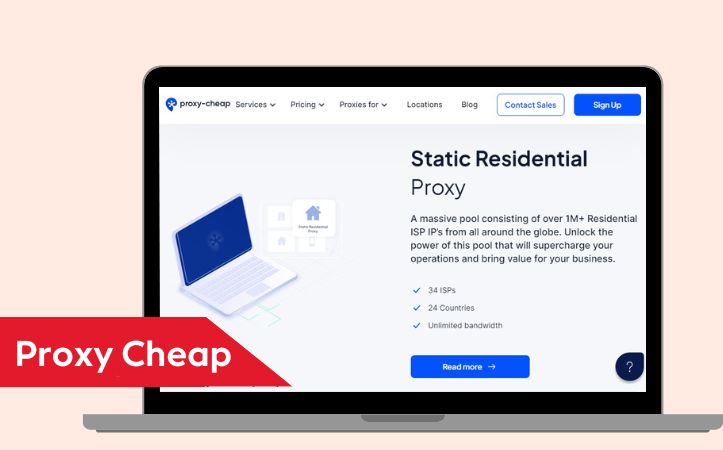
Static Residential Proxies
Static residential proxies keep the same IP for longer periods, unlike rotating proxies. They are useful for workloads that need a stable online identity, such as social media account management, geo-restricted access, and brand monitoring.
Key Advantages
- Long-term IP stability: keep the same IP for weeks or months to reduce connection interruptions.
- Dedicated private IPs: each user gets exclusive IPs, which improves security and lowers ban risk.
- High trust and lower detectability: real residential IPs are more likely to be accepted by target sites.
- Sticky identity: keep a fixed IP for browsing and automation sessions that must stay consistent.
- Useful for multi-account management: helps reduce flagging risk on social, ecommerce, and streaming platforms.
Use Cases
- Account management and automation: manage multiple Facebook, LinkedIn, eBay, and Amazon accounts more consistently.
- Streaming and content access: work around regional restrictions for services such as Netflix, Hulu, and BBC iPlayer.
- Ecommerce and travel scraping: collect data from booking sites and retailers without triggering as many security defenses.
- Brand protection and cybersecurity: monitor trademark abuse and detect online fraud patterns.