Proxy IP
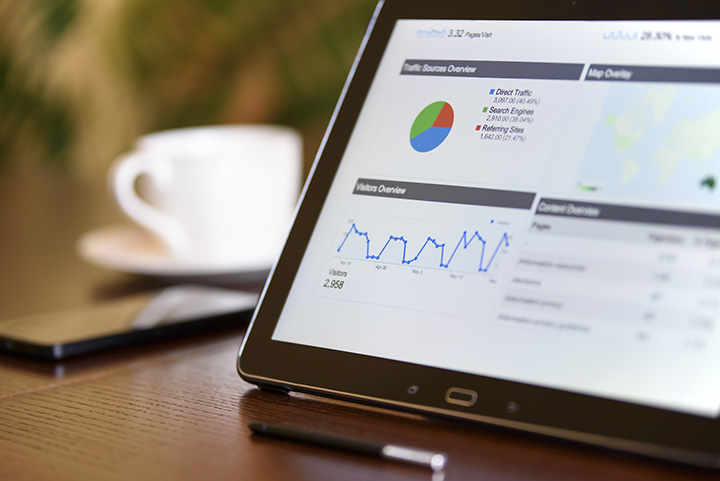
What is a proxy IP and how to use a proxy IP?
Proxy IP is a technology that forwards data traffic through a server. It allows the user's real IP address to be hidden and replaced with the IP address of the proxy server.
Read the full text
Proxy IP

The difference between static IP and dynamic IP
The Internet and your network are linked together by Internet Protocol (IP) addresses. There are two types of IP addresses: static IP and dynamic IP. This article studies the differences between static IP and dynamic IP addresses
Read the full text
Proxy IP

Difference between Data Center IP and Residential IP
The main differences between data center IP and residential IP are how they are used and allocated, the uses and network conditions they serve, and their performance in terms of bandwidth and latency.
Read the full text
Proxy IP
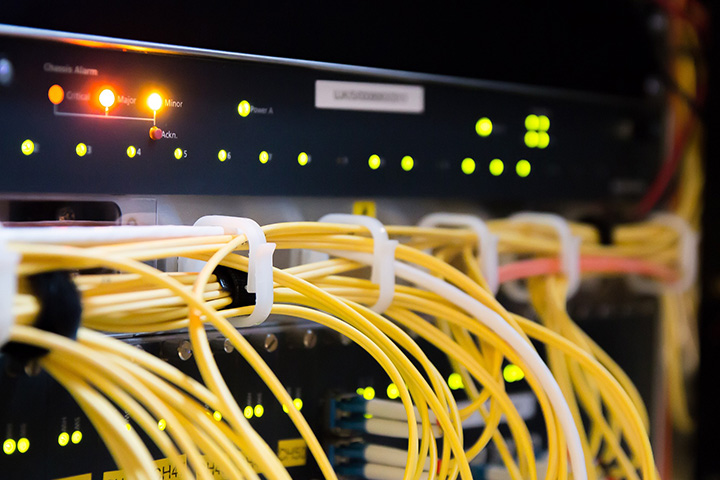
Compare the differences between Socks5 proxy and https proxy!
The choice of Socks5 proxy and HTTPS proxy needs to be decided based on specific needs and usage scenarios, if security is the primary issue
Read the full textComplete proxy IP review list
. The list is evaluated according to region, type, and proxy. You can access it according to the plan you need to know!
FAQ
Here is a list of everything about static residences, data centers, dynamic proxies, residential proxies, mobile 4G proxies and related knowledge and usage plans! The questions listed are some of the questions that everyone often asks!
What is a static residential proxy?
The scok proxy IP blog collects residential IPs from internet service providers that use them for business purposes rather than private residences. Targeted websites often identify these IPs as static residential proxy IPs, even though they are actually hosted on the server.
What is a dynamic proxy?
If you configure automatic IP rotation in Proxy Manager, the rotating proxy will give you a new IP address. IP addresses can be rotated based on a predefined time period (seconds/minutes), after a certain number of requests, or once the used IP is no longer available.
What are the advantages of static proxies?
Static proxies provide many advantages. They perform faster since there is only one "hop" between the requester and the target website. One of the biggest advantages is the option to keep your IP “for life” – it’s yours for as long as you need it.
What are the disadvantages of static proxies?
Static proxies also have some disadvantages. Depending on your requirements, the provision of static IP addresses may not meet all geographic needs for data scraping. Some shopping sites, such as Amazon, block static IP addresses that send too many requests.
What are the advantages of dynamic proxies?
dynamic proxy has many advantages.
First, switching proxies use IP addresses from millions of homes and mobile devices. This enables geo-targeting down to the city/state level.
Secondly, the combination of IP switching plus legitimate IPs from residential/mobile devices makes switching IPs difficult to detect.
What are the disadvantages of dynamic proxy?
dynamic proxy has three main disadvantages.
Dynamic proxies are slower than static proxies. There is an extra "hop" in the process that requires the gateway proxy server to assign a new IP address.
IP address pools (residential/mobile) typically have lower bandwidth than data centers or ISP proxies.
Finally, rotating proxies are typically more expensive because proxy providers must procure and maintain millions of IP addresses.
What is a mobile proxy?
Mobile proxy networks are built from real mobile IP assigned by mobile operators to individual mobile devices. These IPs are shared by real users in mobile networks so you can connect to real mobile connections in every country and city around the world using 3G/4G mobile connections, this allows you to view the network like any real mobile user without being detected
Why use mobile proxies?
IP for mobile devices is universal and can support use cases that can benefit from crowdsourcing, as well as GPS-sensitive data. Requests made via mobile devices are difficult to track or detect, which is a major advantage for companies looking to conduct market research and other business activities.